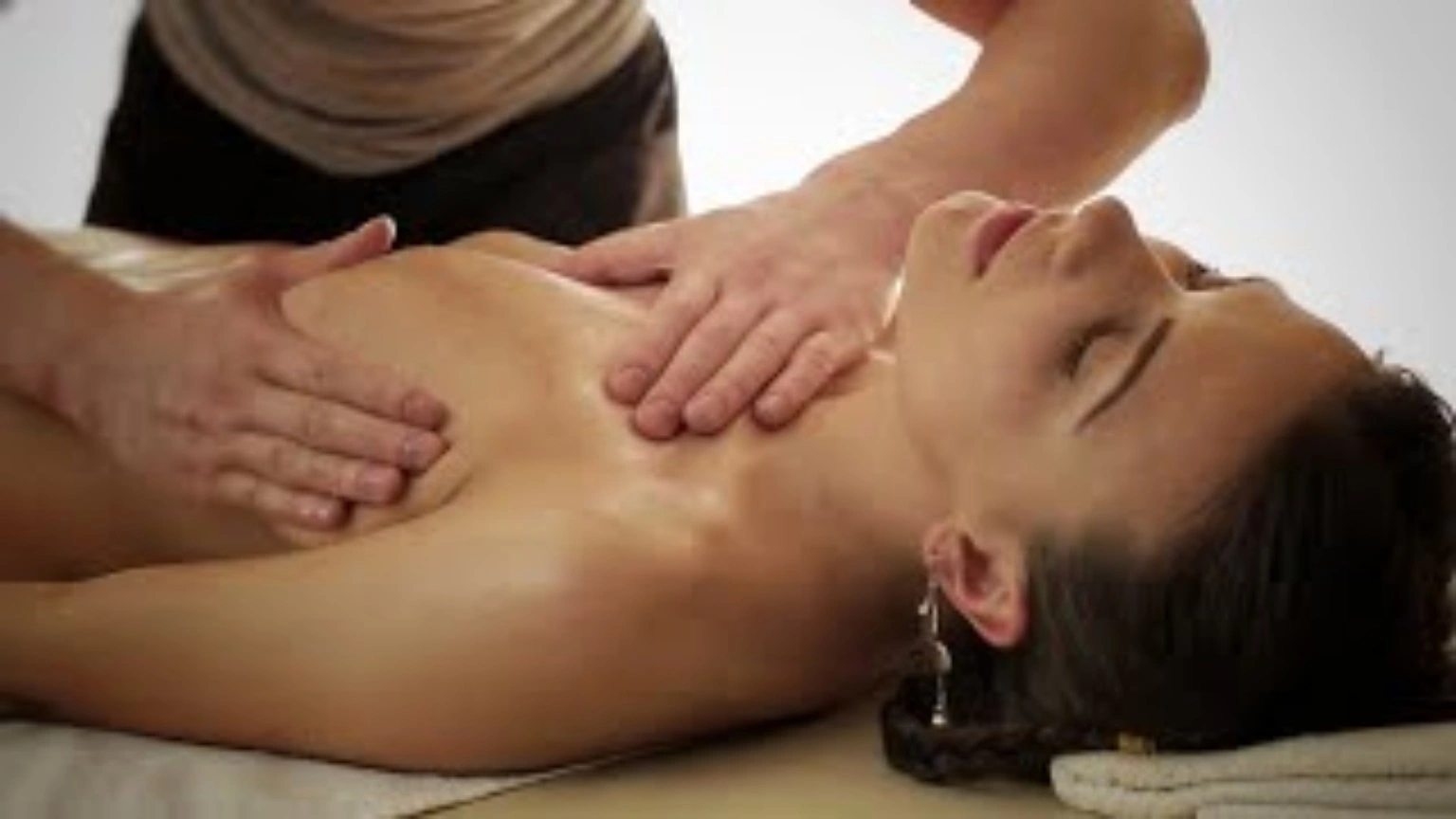
In the modern world, life moves at an incredibly fast pace. Long working hours, constant digital engagement, emotional pressure, and physical inactivity have become routine for many people. As a result, stress, fatigue, muscle pain, and mental exhaustion are now common health concerns. In such a demanding environment, massage therapy has emerged as a powerful and natural method to restore balance to both the body and the mind.
Massage therapy is not just a luxury reserved for spas or wellness resorts. It is an ancient healing practice that has been used for centuries across different cultures to promote physical health, mental relaxation, and emotional well-being. The image reflects this essence beautifully—a calm, nurturing environment where skilled hands provide comfort, care, and healing through touch.
1. Understanding Massage Therapy
Massage therapy involves the systematic manipulation of the body’s soft tissues, including muscles, tendons, ligaments, and connective tissues. Using various techniques such as stroking, kneading, pressing, and circular movements, massage therapists aim to release tension, improve circulation, and encourage deep relaxation.
Unlike medications that may treat symptoms temporarily, massage works holistically. It addresses the root causes of discomfort by easing muscle stiffness, improving blood flow, and calming the nervous system. This makes massage therapy a natural and effective approach to maintaining overall health.
2. The Physical Benefits of Massage Therapy
Relieves Muscle Tension and Pain
One of the most well-known benefits of massage therapy is pain relief. Poor posture, long hours of sitting, repetitive movements, and physical strain often cause muscle tightness and chronic pain, especially in areas such as the neck, shoulders, back, and chest. Massage helps loosen tight muscles, reduce inflammation, and improve flexibility.
Regular massage sessions can significantly reduce discomfort caused by muscle strain, joint stiffness, and fatigue. Athletes and physically active individuals often use massage therapy to enhance performance and speed up recovery after intense workouts.
3. Improves Blood Circulation
Massage therapy stimulates blood flow throughout the body. Improved circulation allows oxygen and essential nutrients to reach tissues more efficiently while helping remove toxins and metabolic waste. This process supports faster healing, reduces swelling, and promotes healthier skin and muscles.
Enhanced circulation also contributes to better energy levels, as the body functions more efficiently when blood flow is optimized.
4. Supports Better Posture and Mobility
Muscle imbalances caused by prolonged sitting or poor posture can lead to stiffness and limited mobility. Massage helps correct these imbalances by relaxing overused muscles and stimulating underused ones. Over time, this can improve posture, joint flexibility, and overall movement.
Mental and Emotional Benefits of Massage
1. Reduces Stress and Anxiety
Stress is one of the leading contributors to modern health problems. Massage therapy plays a vital role in stress management by calming the nervous system. During a massage, the body releases endorphins—natural chemicals that promote feelings of happiness and relaxation.
At the same time, levels of stress hormones such as cortisol decrease, allowing the mind to unwind. This creates a sense of emotional balance and mental clarity that can last long after the session ends.
2. Enhances Sleep Quality
Many people struggle with insomnia or poor sleep due to stress and physical discomfort. Massage therapy encourages deep relaxation, helping the body enter a restful state more easily. Relaxed muscles and a calm mind make it easier to fall asleep and stay asleep.
Regular massage sessions can improve sleep patterns, leaving individuals feeling more refreshed and energized during the day.
3. Promotes Emotional Well-Being
Touch is a fundamental human need. Massage therapy provides a safe and comforting form of touch that promotes emotional healing. It can help individuals feel cared for, grounded, and emotionally supported.
People experiencing emotional stress, burnout, or anxiety often find massage therapy deeply therapeutic. It allows them to disconnect from external pressures and reconnect with their inner sense of calm.
The Role of Oil Massage in Deep Relaxation
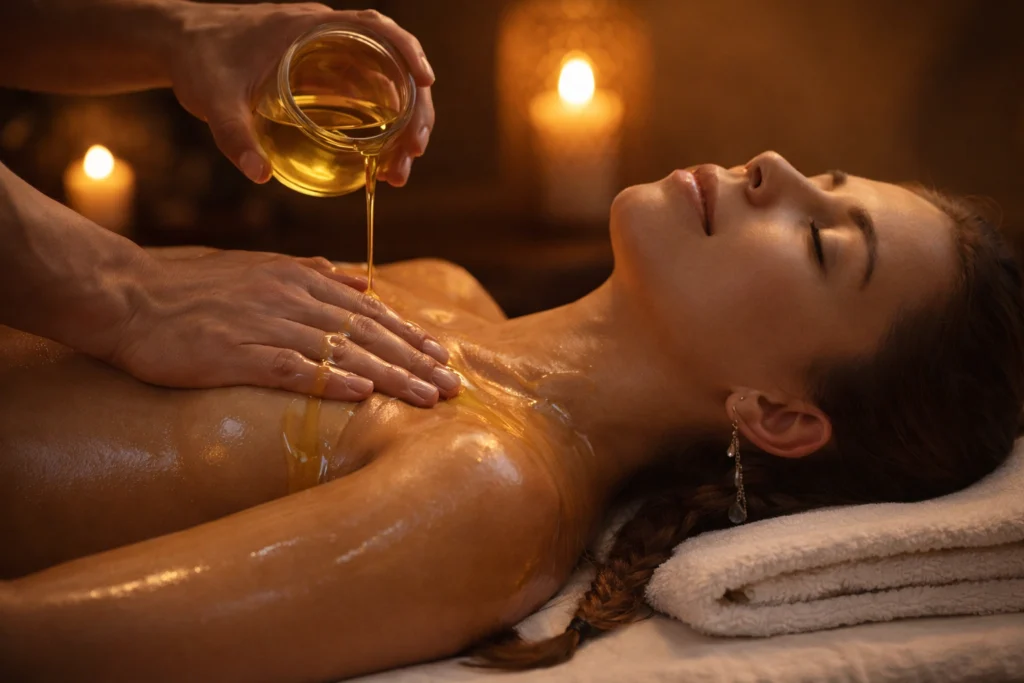
Oil massage enhances the overall massage experience by adding therapeutic and nourishing benefits. Natural oils such as almond, coconut, sesame, or herbal oils are commonly used to reduce friction, hydrate the skin, and promote relaxation.
These oils penetrate deep into the skin, nourishing tissues and improving skin texture. The warmth of the oil combined with rhythmic massage movements creates a deeply soothing experience that relaxes both body and mind.
Oil massage also supports detoxification by stimulating lymphatic drainage, helping the body eliminate toxins more effectively.
1. Massage Therapy and Skin Health
Massage therapy is highly beneficial for skin health. Improved blood circulation nourishes skin cells, giving the skin a healthy glow. Massage also helps remove dead skin cells, improve elasticity, and slow signs of aging.
Regular massage can enhance skin tone, reduce dryness, and promote overall skin rejuvenation. When combined with natural oils, it becomes a complete skincare ritual that benefits the body from the inside out.
2. Massage in Traditional Healing Systems
Massage therapy holds a special place in ancient healing traditions. In Ayurveda, massage (known as Abhyanga) is considered an essential daily practice for maintaining balance between the body, mind, and spirit. It is believed to regulate energy flow, improve immunity, and support longevity.
3. Massage Therapy in Modern Wellness Culture
Similarly, traditional Chinese medicine uses massage techniques to stimulate energy pathways and restore harmony within the body. These ancient systems emphasize that physical health and mental well-being are deeply interconnected.
Today, massage therapy is widely recognized as an integral part of wellness and preventive healthcare. It is commonly offered in spas, wellness centers, rehabilitation clinics, and even corporate wellness programs.
Many healthcare professionals recommend massage as a complementary therapy for managing chronic pain, stress-related conditions, and physical rehabilitation. Its growing popularity reflects a shift toward holistic and natural approaches to health.
4. Creating a Mindful Massage Experience
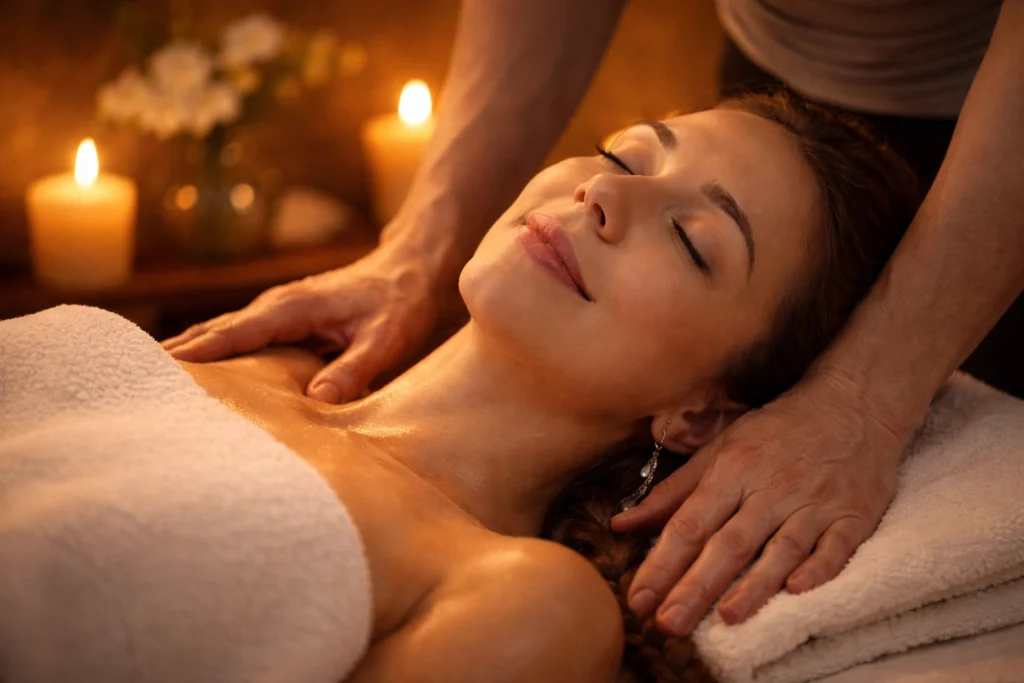
The environment plays a crucial role in the effectiveness of massage therapy. Soft lighting, calming music, pleasant aromas, and a peaceful atmosphere help create a sense of comfort and safety. When combined with skilled techniques, this environment allows the body and mind to fully relax.
The image captures this essence—tranquility, trust, and care working together to create a healing experience.
5. Self-Care and the Importance of Taking Time for Yourself
In a world that constantly demands productivity, self-care is often neglected. Massage therapy encourages individuals to slow down, listen to their bodies, and prioritize their well-being.
Taking time for regular massage sessions is not indulgent—it is necessary. It helps prevent burnout, supports physical health, and nurtures emotional balance. Investing in self-care ultimately leads to better focus, improved mood, and a higher quality of life.
6. Who Can Benefit from Massage Therapy?
Massage therapy is suitable for people of all ages and lifestyles. Office workers, athletes, seniors, students, and individuals dealing with stress or physical discomfort can all benefit from regular massage.
Whether the goal is relaxation, pain relief, improved mobility, or emotional healing, massage therapy offers something valuable for everyone.
Conclusion
Massage therapy is far more than a simple relaxation technique—it is a powerful healing practice that nurtures the body, calms the mind, and restores emotional balance. Through skilled touch, rhythmic movements, and mindful presence, massage provides deep relief from the stresses of modern life.
Incorporating massage therapy into a regular wellness routine can transform overall health and well-being. It encourages relaxation, enhances physical function, improves mental clarity, and promotes a deeper connection with oneself.
In a busy and often overwhelming world, massage therapy serves as a gentle reminder to pause, breathe, and care for the body and mind. A single session can bring profound comfort, while regular practice can lead to long-term health, harmony, and inner peace.